Sat. Mar 7th, 2026

Early Alphabetic Inscriptions (2nd mill. BCE)

Introduction: This page features material related to the small corpus of early alphabetic inscriptions which date primarily from the second millennium BCE. The entire corpus of early alphabetic inscriptions includes approximately 50-60 inscriptions, approximately half of which come from the so-called Proto-Sinaitic graffiti and votive texts from  the turquoise mines at Serabit el-Khadim in the Sinai Peninsula.

Umm el-Marra clay cylinders (c. 24th cent. BCE)

Description

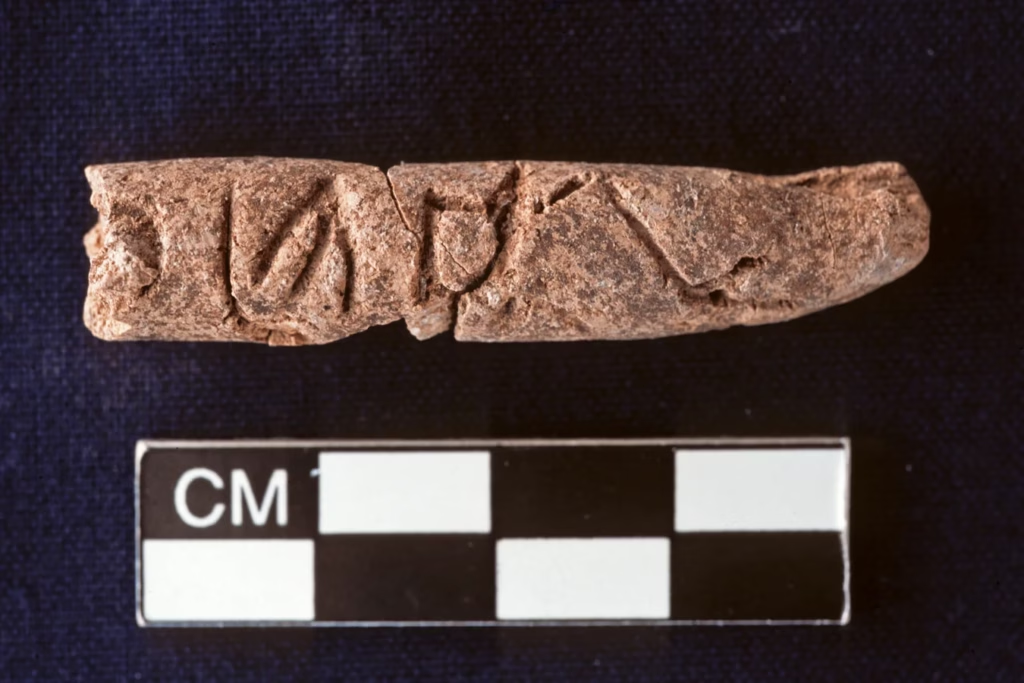
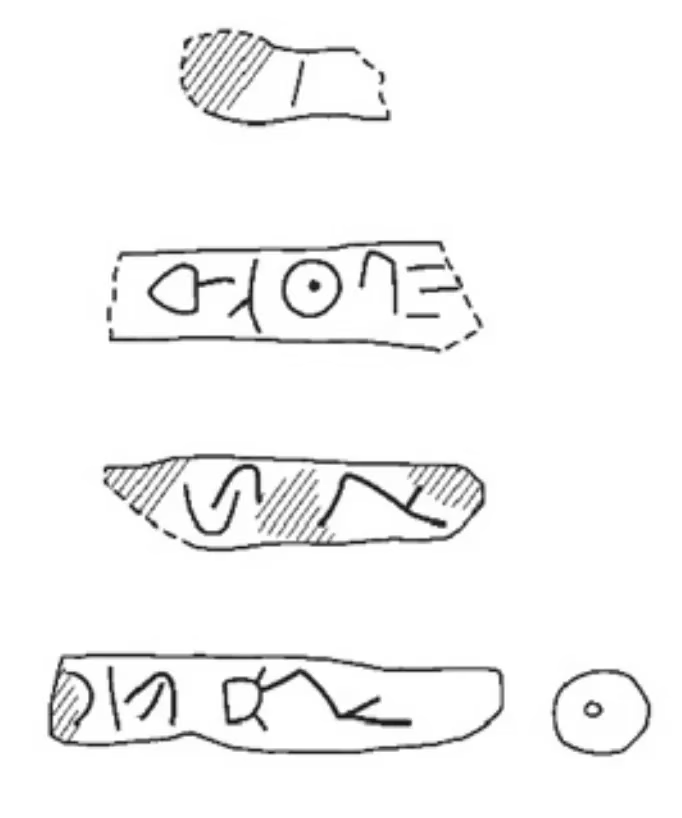
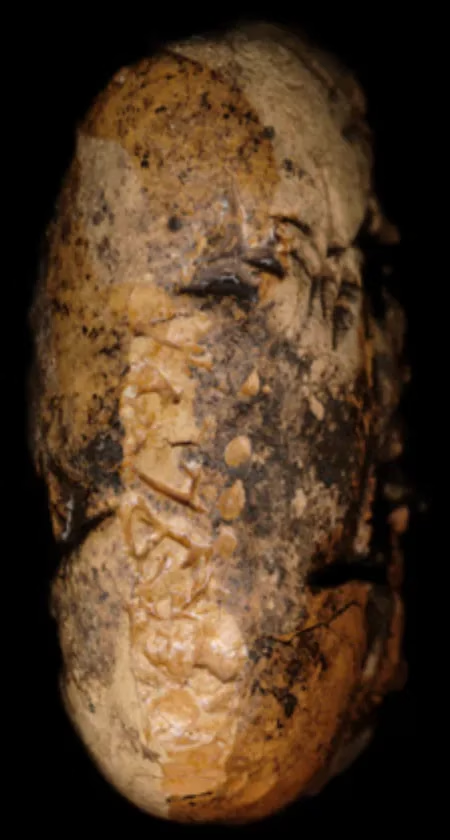
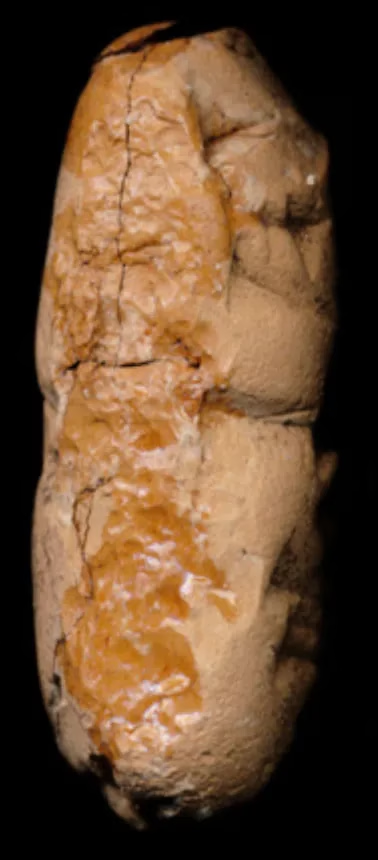
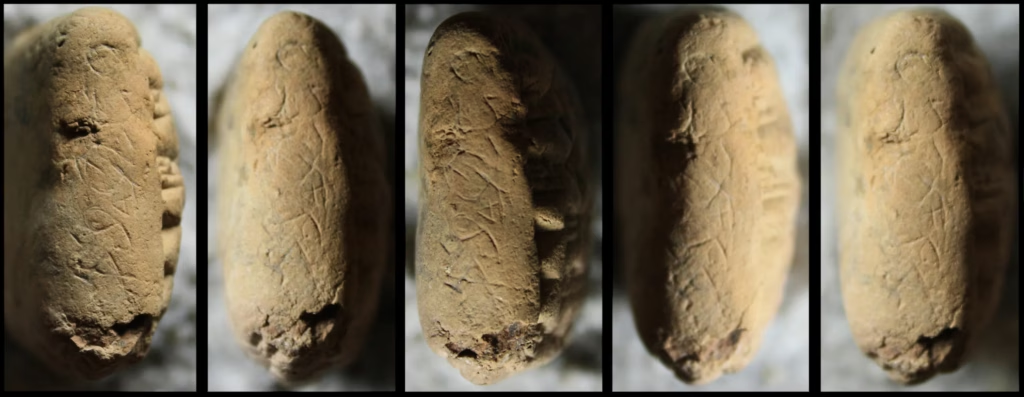
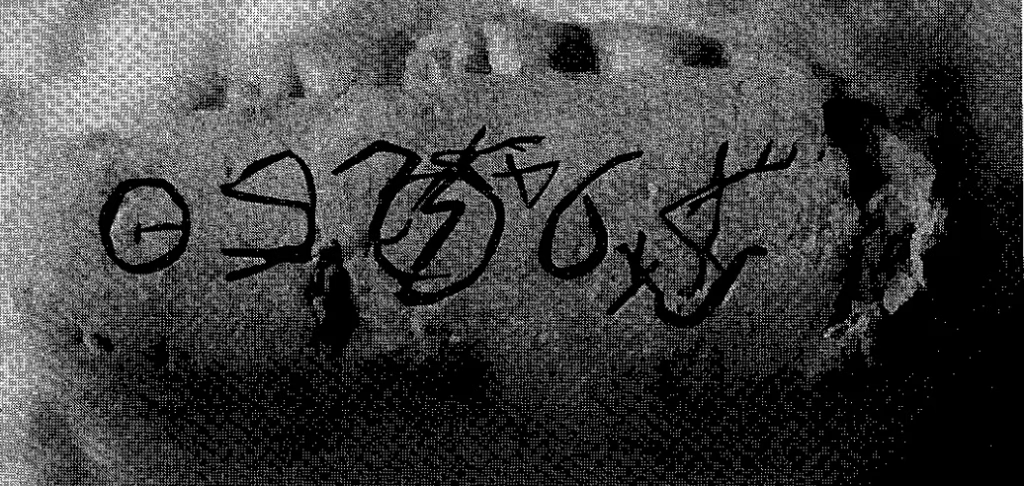
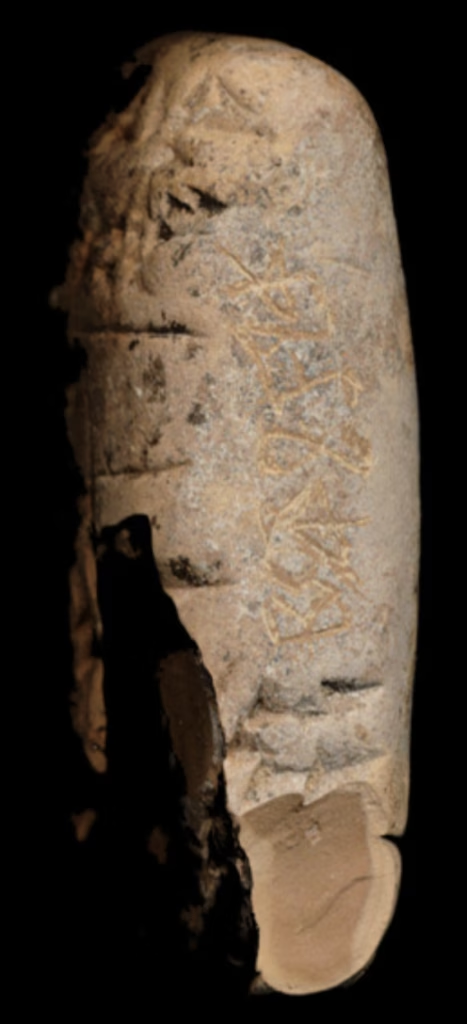
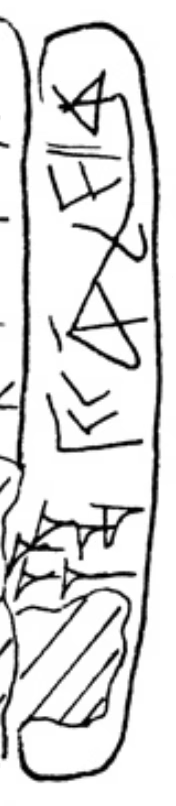
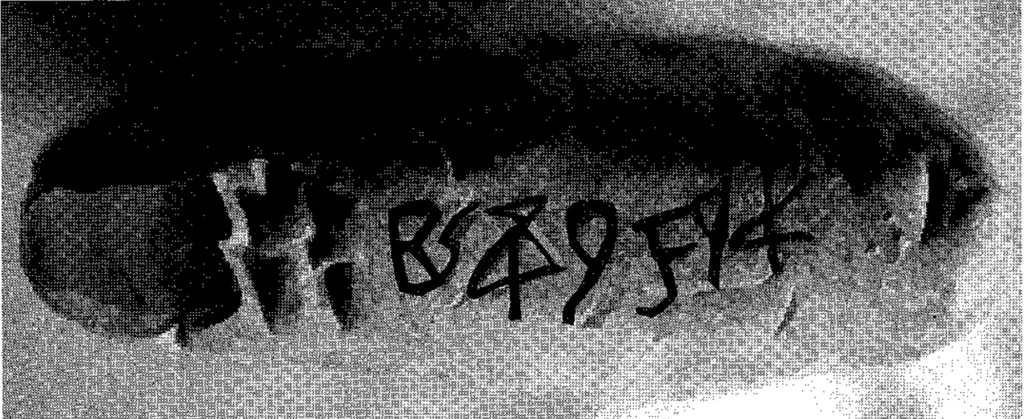
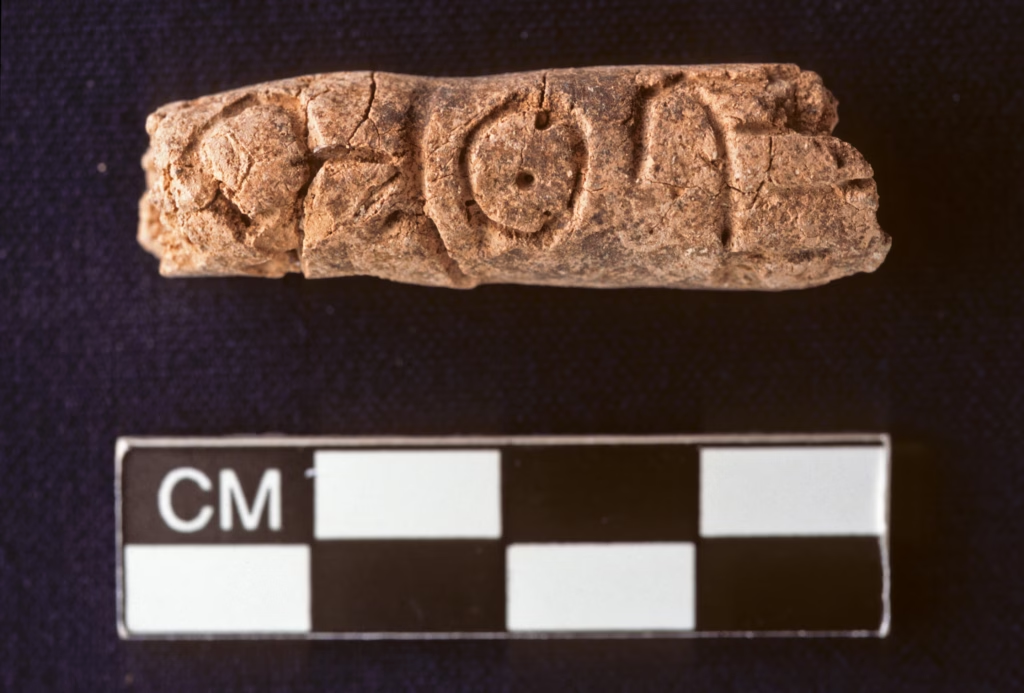
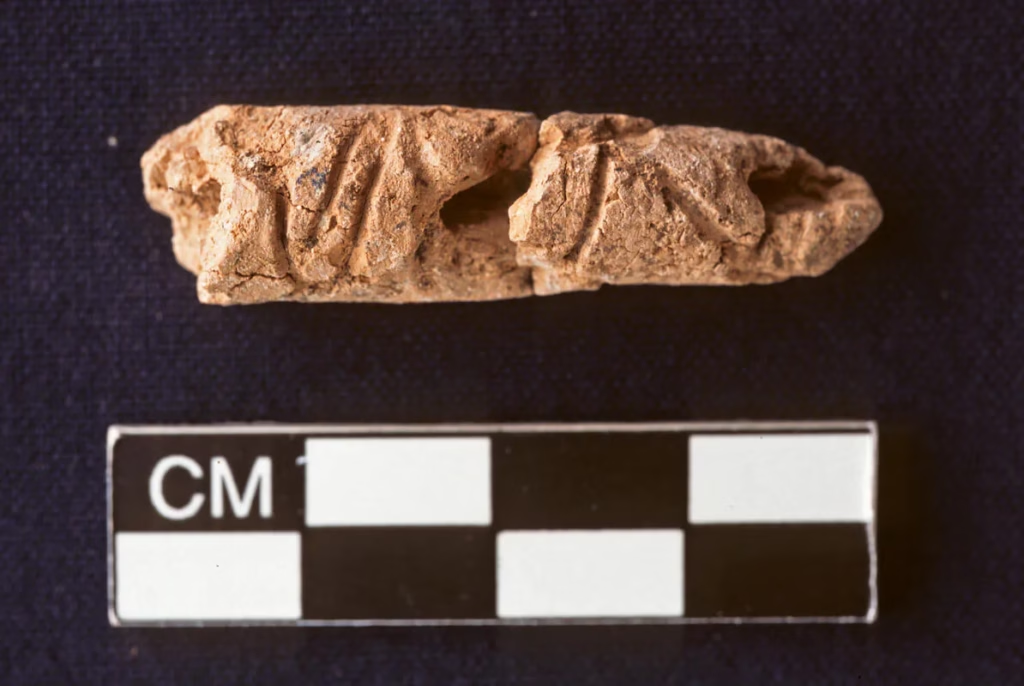
Discovered in 2004 by a team under the direction of Glenn Schwartz of Johns Hopkins, the Umm el-Marra texts are a group of four small clay cylinders discovered in a tomb at Umm el-Marra in northern Syria. The archaeological context–including radiocarbon samples–suggests a date of 2400-2300 BCE. While there are too few signs to be certain that this script does represent an alphabet, the resemblance of some letters to the later West Semitic scripts–such as the ayin (eyeball) and kaf (palm) signs–suggests the possibility that these are early alphabetic.

Umm el-Marra cylinder 1
Umm el-Marra cylinder 3
Umm el-Marra line drawings

Proto-Sinaitic Inscriptions (c. 1900-1600 BCE)

Description forthcoming.

Lahun Heddle Jack (c. 1700 BCE)

Description

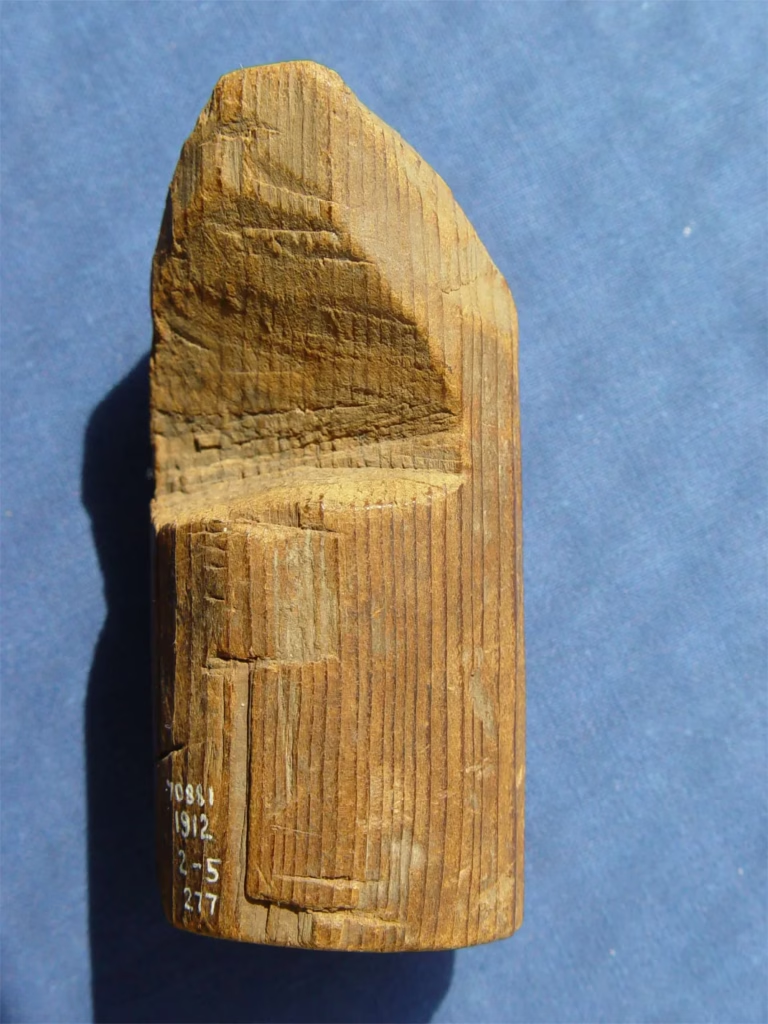
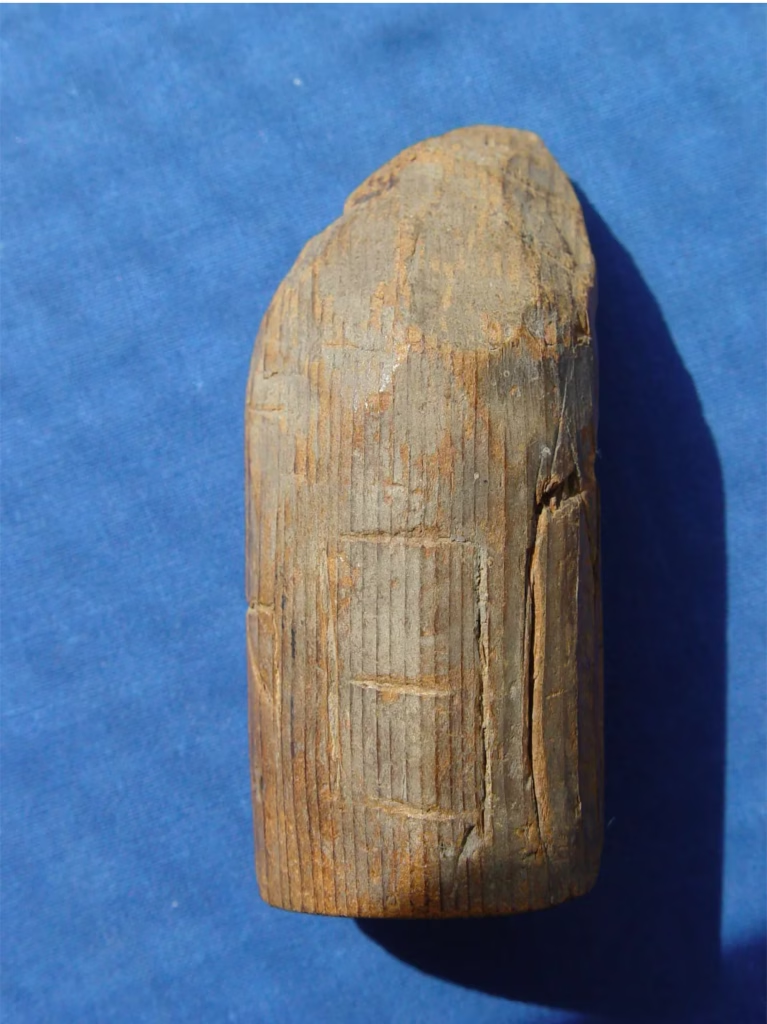
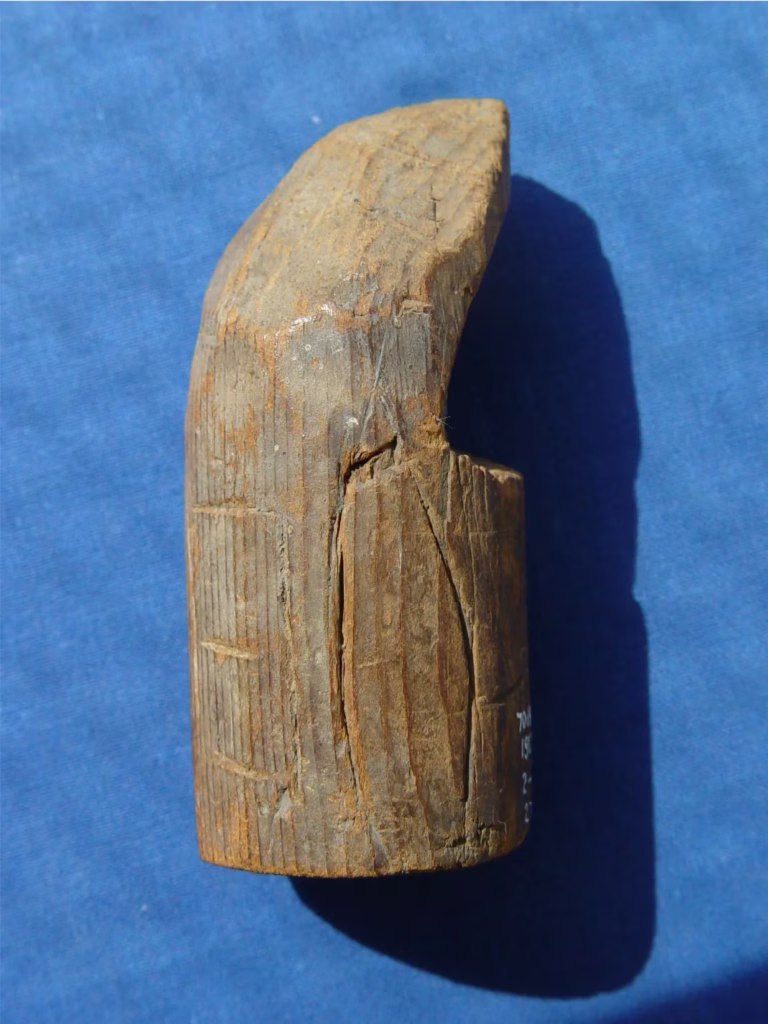
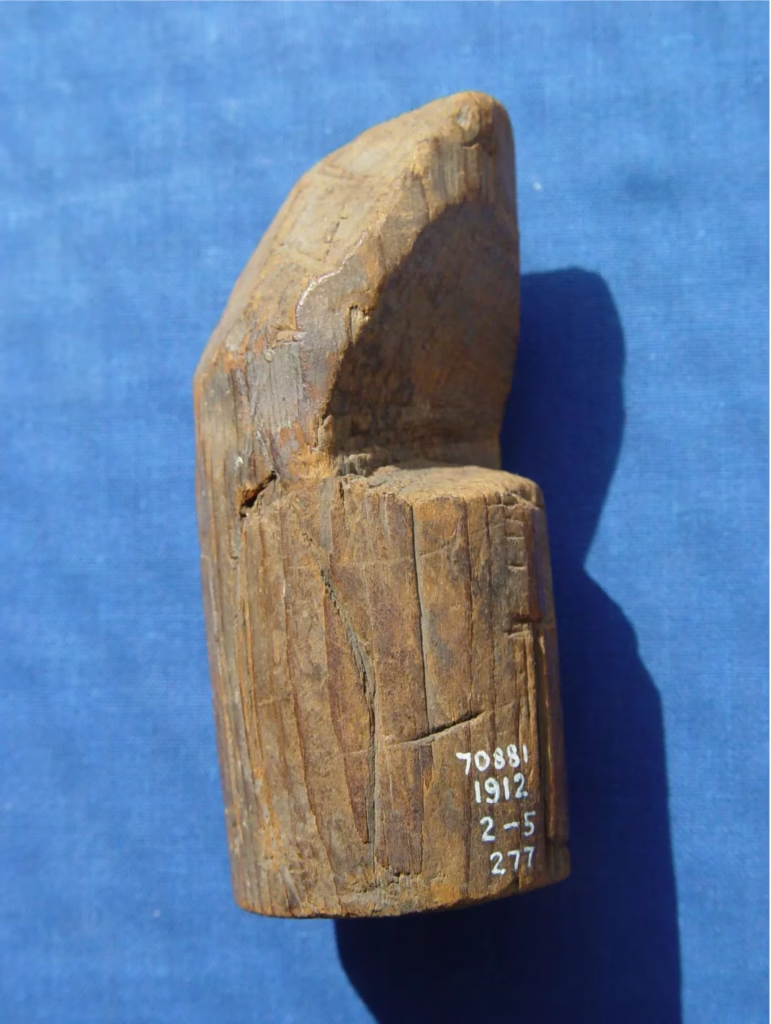
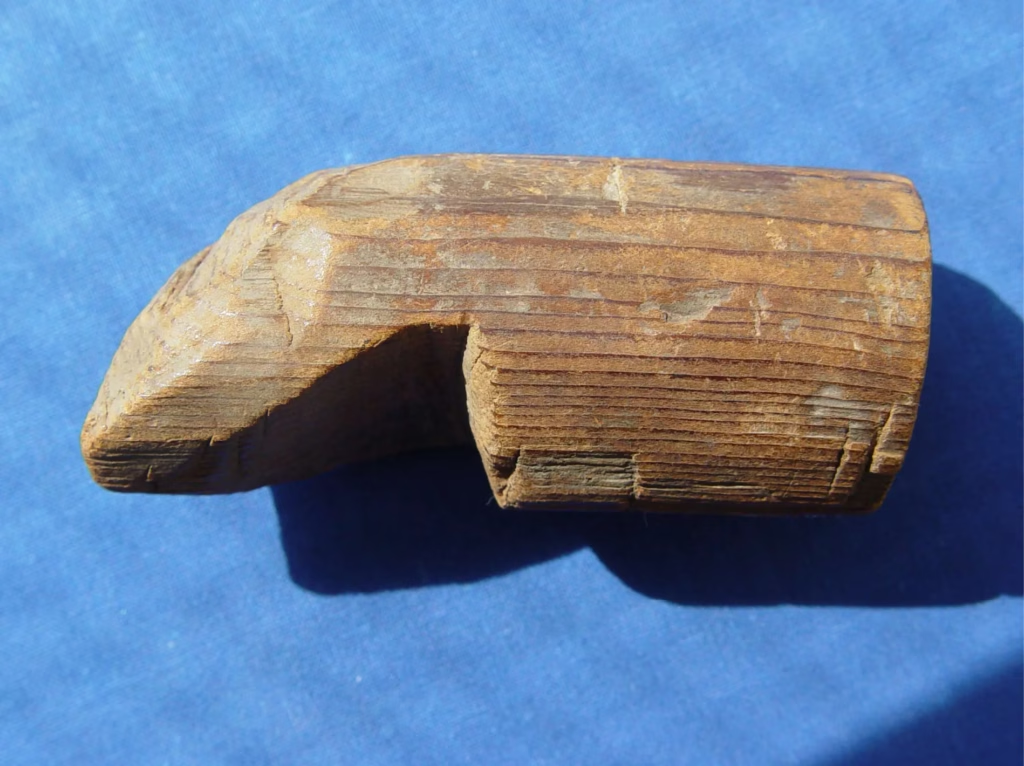
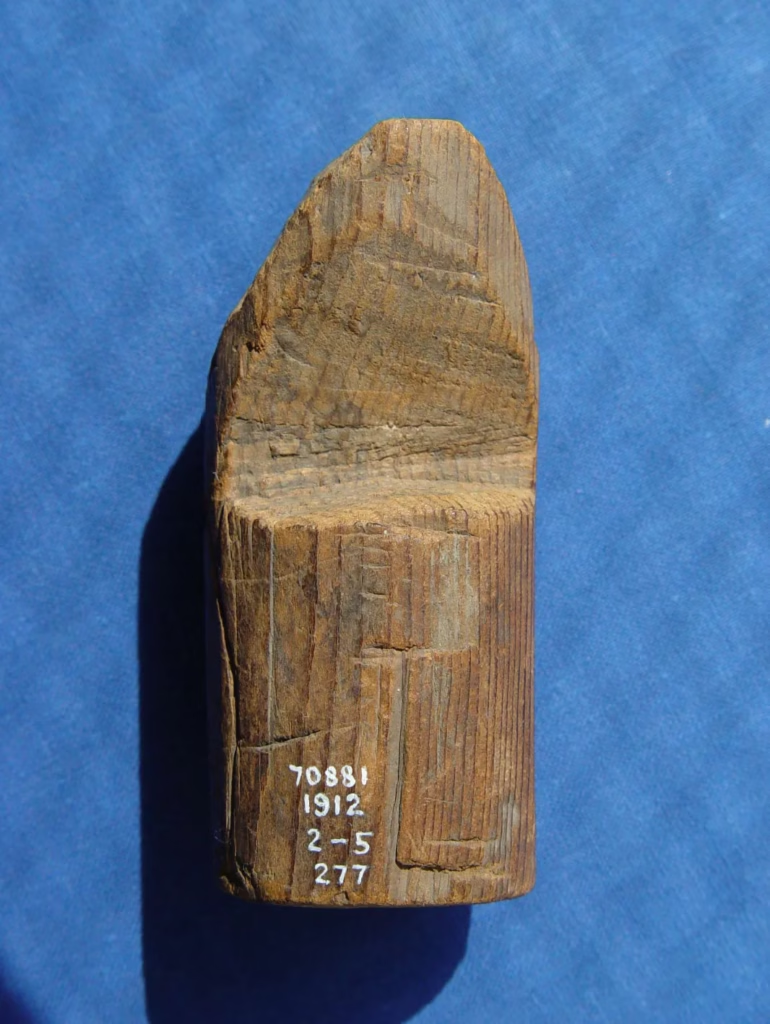
Currently in the British Museum (EA70881), this object is an incised wooden loom jack from Lahun in the area of Faiyum. C14 dating allows for a date as early as 2140-1940, but the paleography suggests a slightly later date of ca. 1700 BCE (Cartwright, Granger-Taylor, Quirke 1998; Hamilton 2006: 35).

LHJ1
LHJ5
LHJ6

Gezer Potsherd (c. 17th-15th cent. BCE)

Description

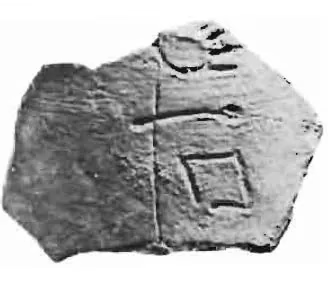
Discovered in 1929 at Tel Gezer, the potsherd includes three inscribed letters–the first and third are k and b (or vice versa, since the direction of writing is unknown). Source: Sass 1988.

Gezer Potsherd

Sealand Dynasty Texts (16th-15th cent. BCE)

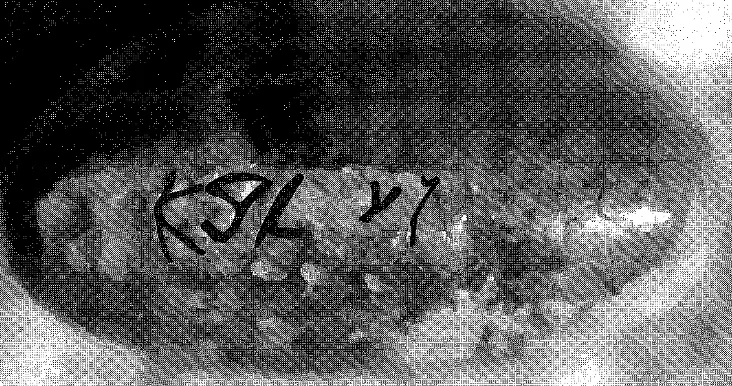
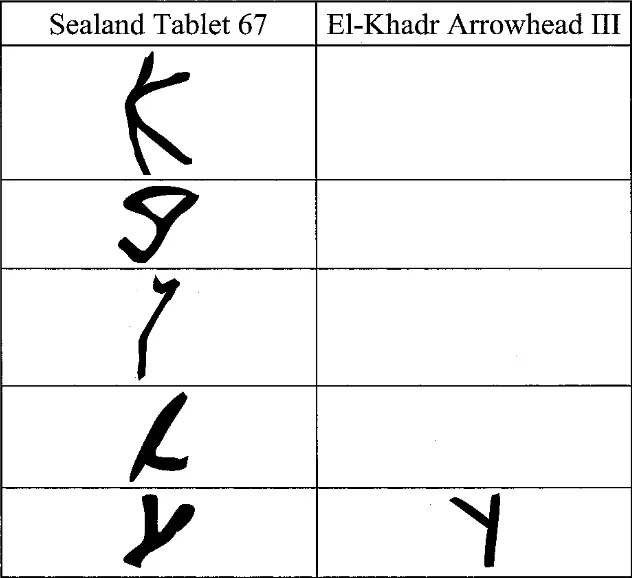
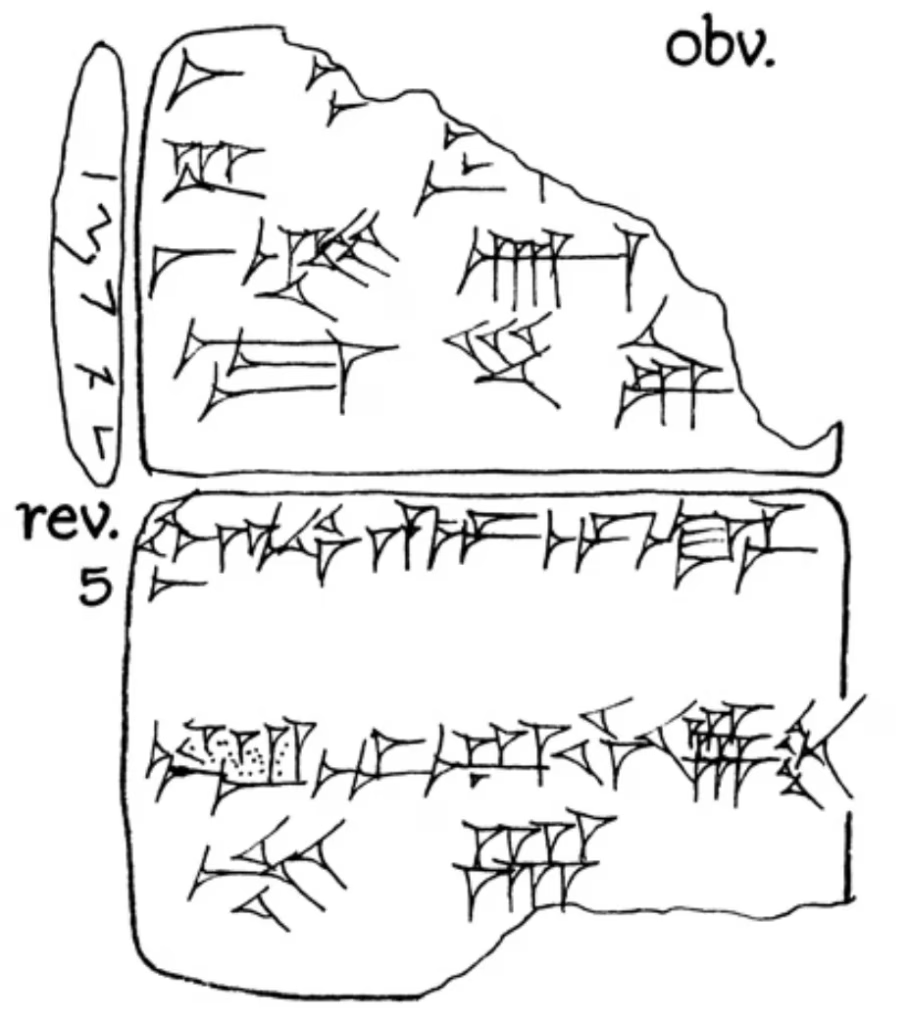
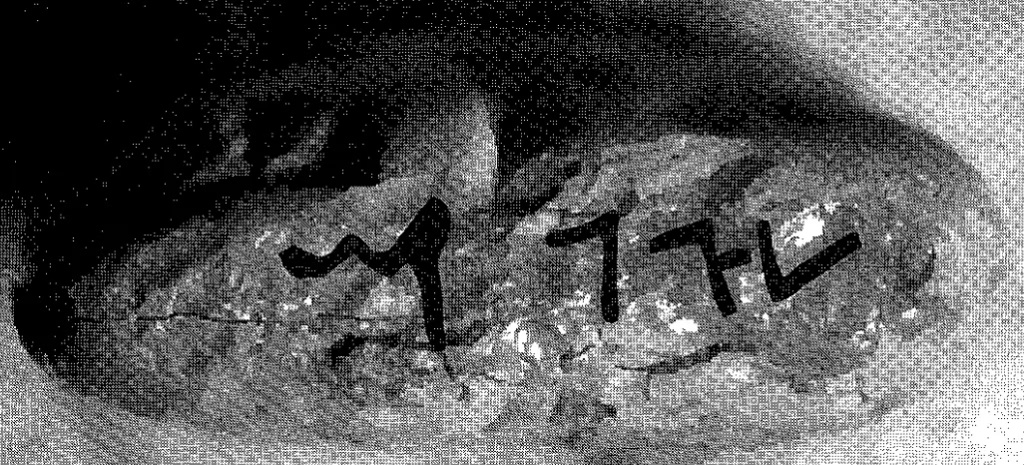
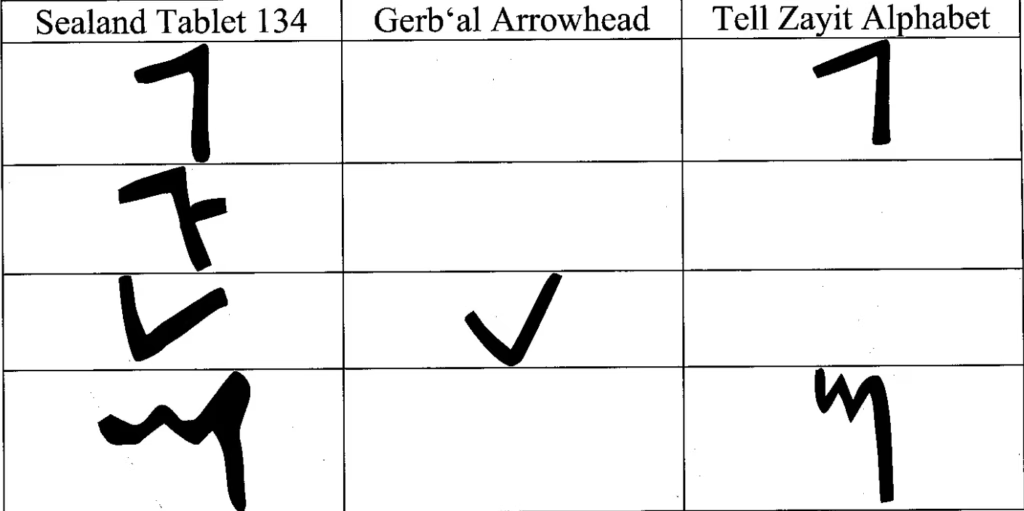
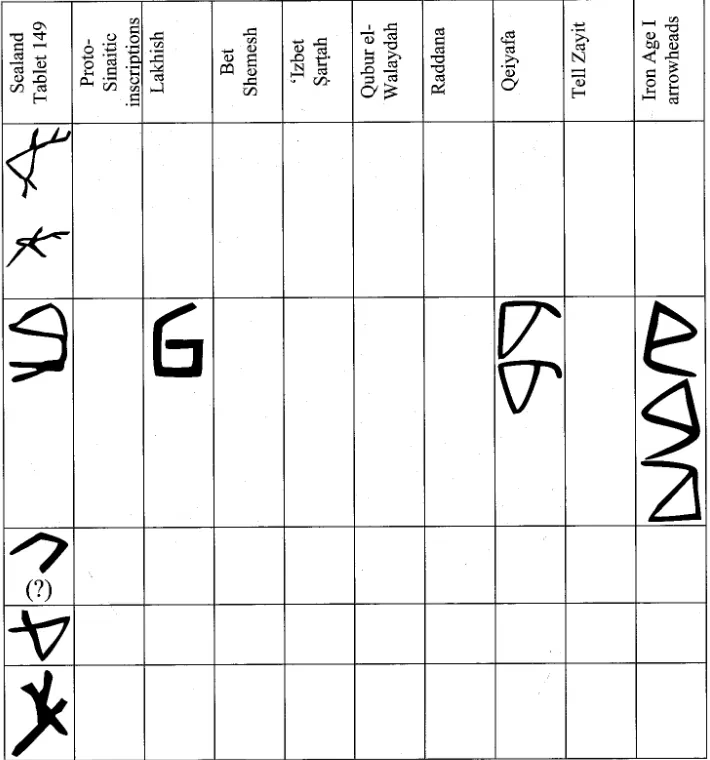
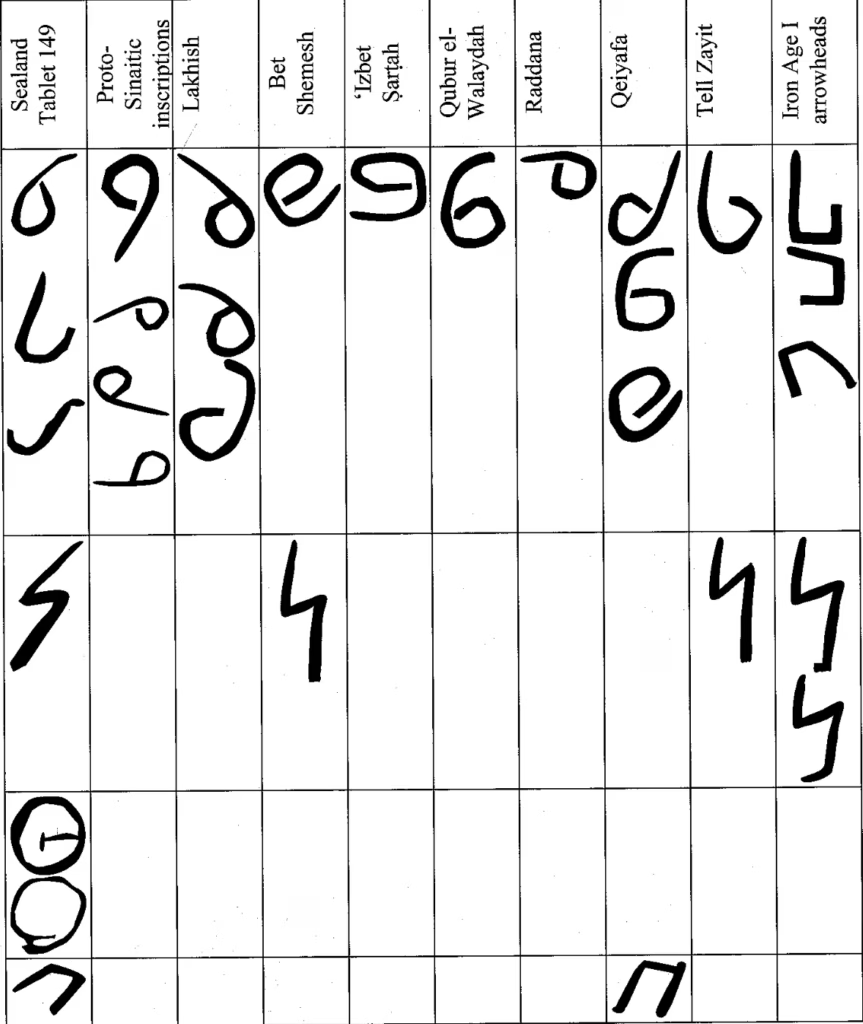
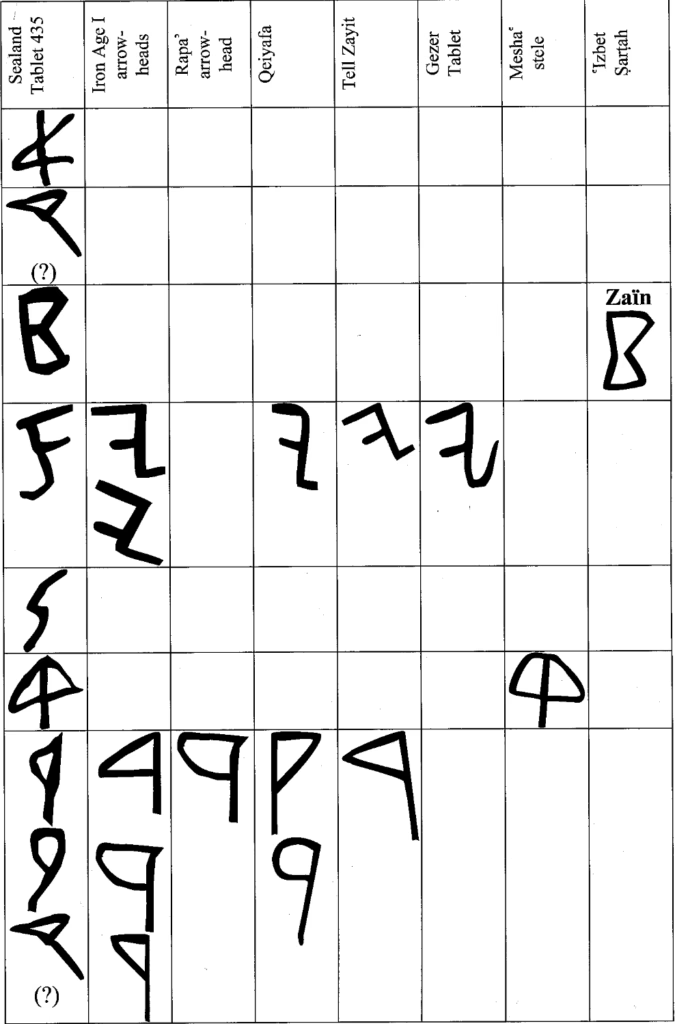
Description: Four cuneiform tablets from the first dynasty of the Sealand in Southern Babylonia contain linear alphabetic inscriptions (Dalley 2009). The alphabetic inscriptions were analyzed and tentatively read by Hamidović (2014). The following tablets are CUSAS 9: 67, 134, 149, and 435, respectively. The images below are from CDLI; the reading & charts are from Hamidović 2014.

CUSAS 9, 67: ??r/ṣ  lbʾ (if read right-to-left; Hamidović 2014: 138-139)

134 - P251143 CDLI

CUSAS 9, 134: lygm or mgyl (Hamidović 2014: 139)

149 - Hamidović Chart 2

CUSAS 9, 149 (right-to-left): 1. ʾ l d n ʾ l ṣ/g b ʿ 2. l k ʿ

‘Ali-dīn-ili’ (PN) + title?

435 - P251286 CDLI Line Drawing

CUSAS 9, 435: ʾ r y d/r q n 

Jerubba'al Inscription from Khirbet al-Ra'i (c. 1100 BCE)

Description

Discovered in 2019, the short inscription from Khirbet al-Ra’i in the Judean Shephelah, approximately 2.5 miles west of Lachish, includes the personal name Jerubba’al which means “May (the god) Baal (or: the lord) be great.” The inscription was published in Rollston, Garfinkel, Keimer, Davis, and Ganor 2021.
Jerubbaal Inscription

To be added later:

Other Early Alphabetic Inscriptions from Outside Canaan

  • Wadi el-Hol
  • Ostracon TT99 with halaḥam abecedary (Thebes, early 15th cent. BCE)
  • Tell Deir ‘Alla clay tablets (three short texts inscribed in clay, ca. 1200 BCE)

Early Alphabetic Inscriptions from Canaan

The Bronze Age Southern Levant contains a dearth of texts compared to Egypt, Mesopotamia, or the Northern Levant. Current estimates include just over 60 cuneiform texts in Sumerian, Akkadian, and West Semitic languages, including three in alphabetic cuneiform and approximately 17 Proto-Canaanite exemplars. A representative list of the Early Alphabetic Inscriptions from the Southern Levant follows:

  • Lachish Ivory Lice Comb (ca. 1700 BCE?)
  • Tell el-‘Ajjul Spouted Cup (ca. 1600-1300 BCE)
  • Lachish Ostracon with Early Alphabetic Inscription (15th cent. BCE)
    • See ed. pr., Höflmayer et al. 2021, here. See BAS article here.
  • Lachish Ewer (second half of 13th cent. BCE)
  • ‘Izbet Ṣarṭah abecedary (12-11th cent. BCE)
  • Tel Beth-Shemesh Ostracon (1150-1100 BCE)
    • See McCarter, Bunimovitz, and Lederman 2011 here.
  • Tel Zayit abecedary (11th-10th cent. BCE)

To be added: Lachish dagger; Nagila sherds; Shechem plaque; etc.

Bibliography

  • Hamilton, Gordon. 2010. “From the Seal of a Seer to an Inscribed Game Board: A Catalogue of Eleven Early Alphabetic Inscriptions Recently Discovered in Egypt and Palestine.” Available here.
  • McCarter, P. Kyle. 2011. “An Archaic Ba’l Inscription from Tel Beth-Shemesh,” Tel Aviv 38: 35-49. See here.
  • Richey, Madadh. 2023. “Syria, Mesopotamia, and the Origins of the Alphabet,” Maarav 27, no. 1-2: 1-38.
  • Others forthcoming.